Residential decorating shaped around the home, the surface and the finish.
Interior and exterior decorating across the North West — from single rooms to full-home redecorations. Clear scope, careful preparation, clean working, and finishes chosen for the way each space is used.
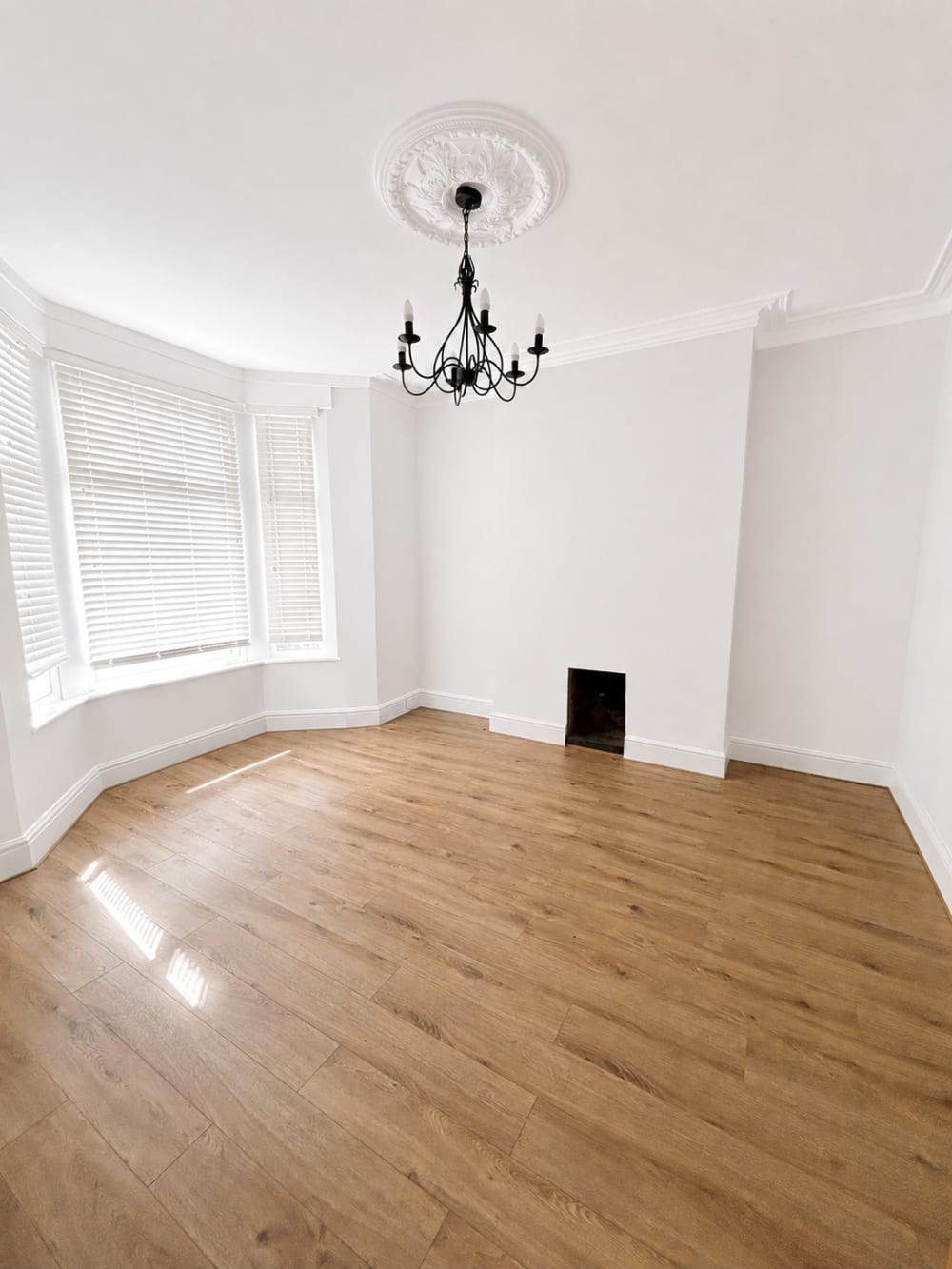
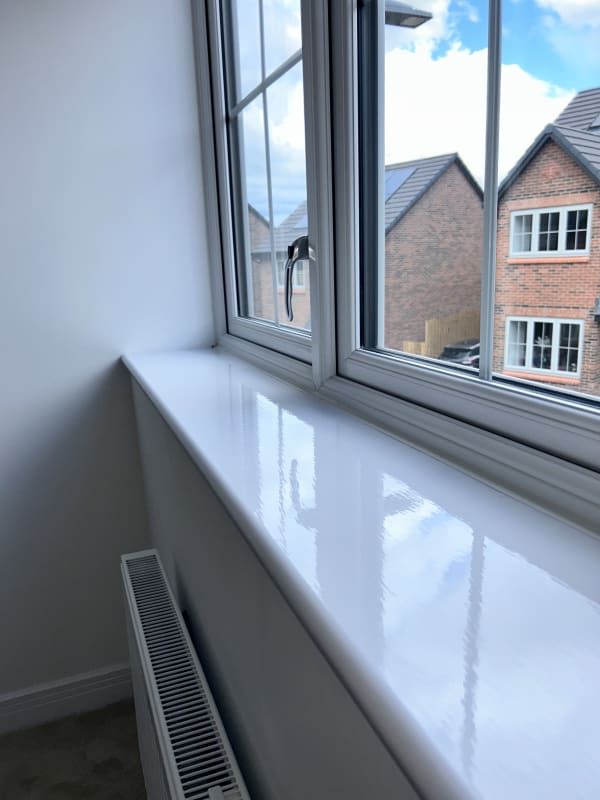
Residential work, planned around the property.
Most residential projects involve more than one room and more than one type of surface. The scope is set before work starts — what is being done, in what order, and to what standard. From there, the work runs to plan.
Bedrooms, lounges, kitchens, bathrooms and feature areas finished cleanly, with minimal disruption to the rest of the property.
Room-by-room sequencing, surface preparation, colour changes, woodwork and a consistent finish carried across the whole property.
Settlement cracks, shrinkage gaps, weak caulking and poor developer finishes corrected before rooms are decorated to the standard they should have been handed over in.
Older surfaces, existing detail and original character treated carefully — breathable finishes where the substrate requires it, appropriate preparation throughout.
Doors, frames, skirting, trims, handrails and finishing details handled with the correct preparation and coating system for the surface and level of use.
Spray application, limewash, microcement and decorative coatings where the project calls for a surface that standard brush and roller work cannot deliver.
The finish starts before the first coat goes on.
Every stage in the process has a purpose. The quality of the final finish depends on what happens before it — not on what goes on last.
Rooms, surfaces, access, repairs, materials and expectations are agreed before work starts. No guesswork during the project.
Floors, furniture, routes and key areas are protected so the home stays controlled and presentable while the work is underway.
Cracks, gaps, failed coatings, rough edges and surface issues are dealt with before any finish coats are applied.
Paints, primers and finishes are matched to the surface, the room and the level of durability needed — not applied from habit.
Edges, lines, woodwork, touch points and final details are checked before the room is handed back.
Different homes need different decisions.
A new build, a period house and a full redecoration are not approached in the same way. The planning, preparation, materials and sequence all change depending on the property and what is being asked of the finish.
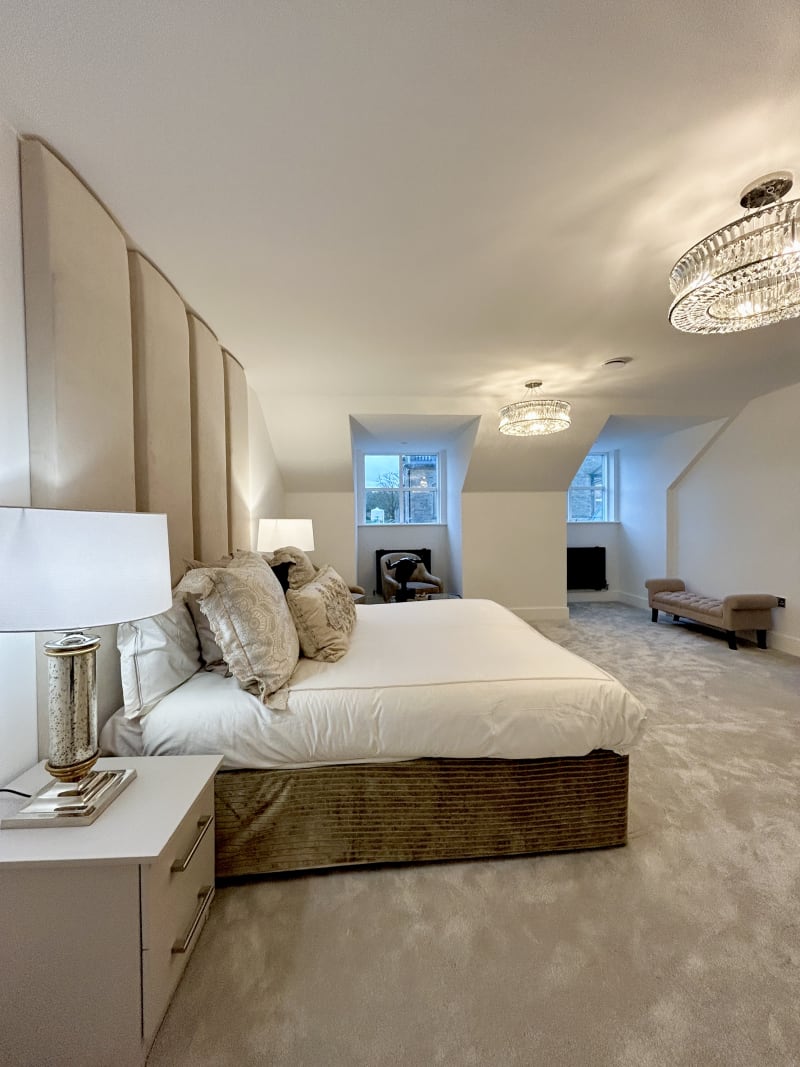
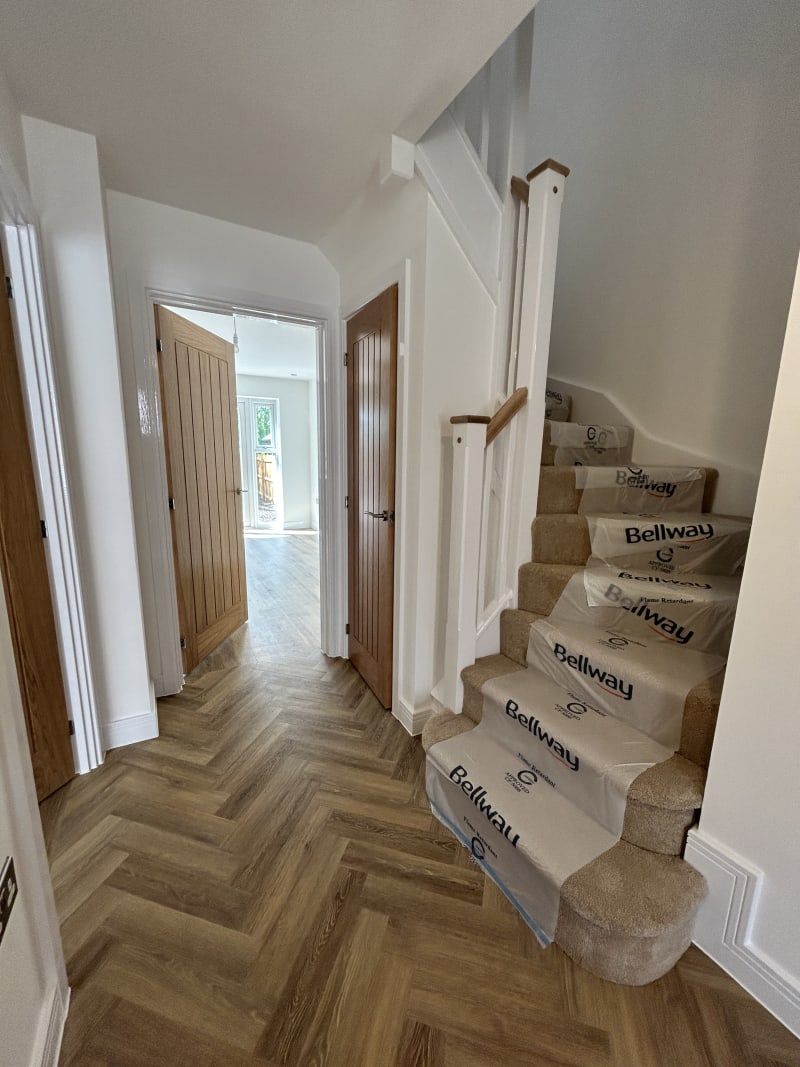
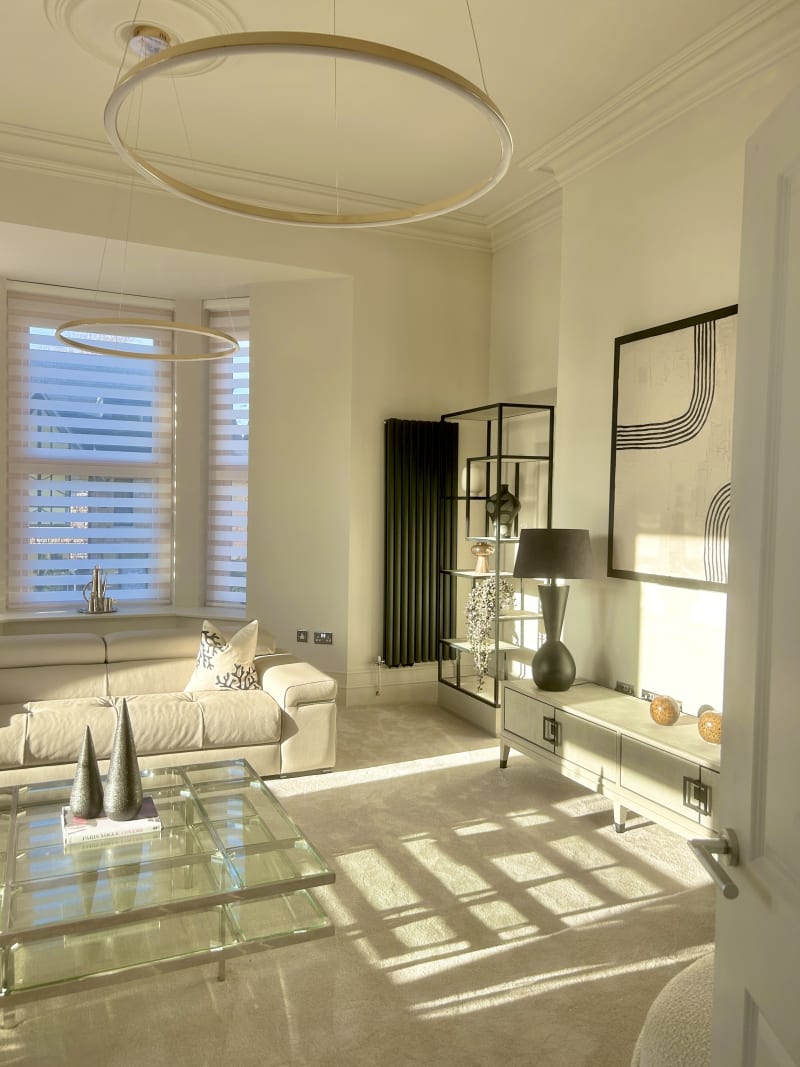
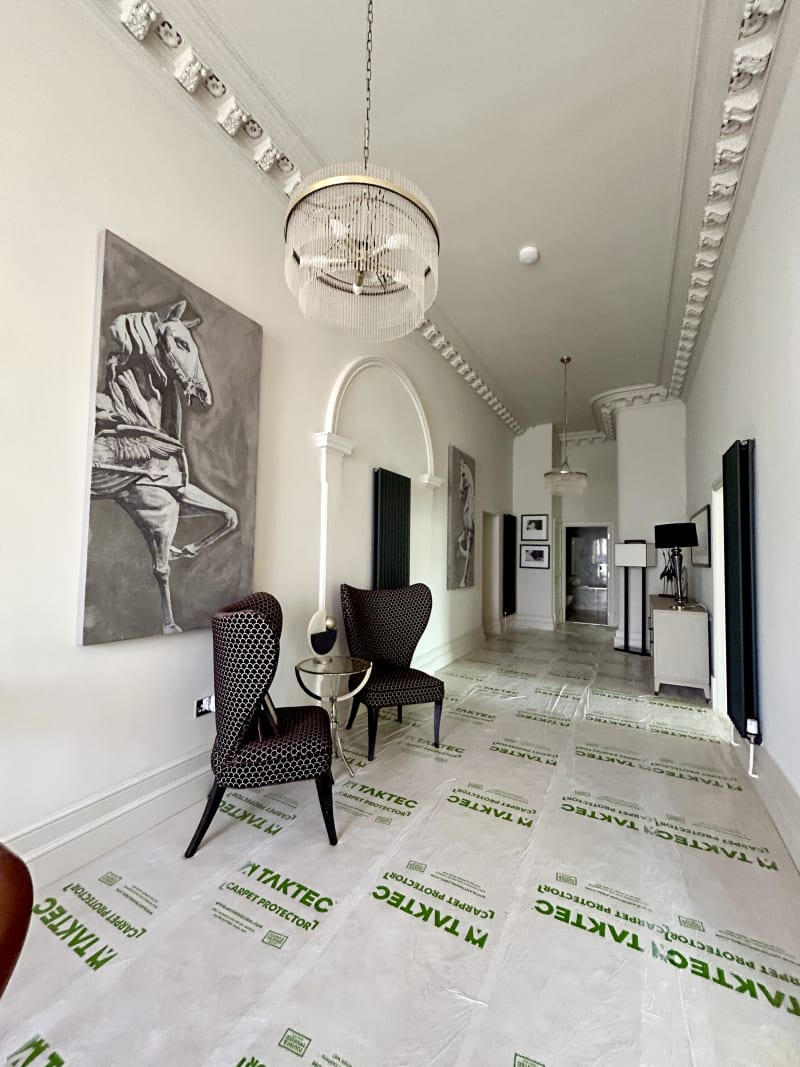
A single room or every room — the standard does not change.
For homeowners, the work ranges from a kitchen or living room being refreshed to a full property being redecorated across multiple rooms. Whatever the scale, the scope is agreed before anything starts — what is being done, in what order, and how the home will be managed while the work is underway.
- Single rooms through to full multi-room redecorations
- Work planned around furniture, access and daily routine
- Consistent finish across every area, regardless of scale
New build decoration, phased from programme stage through to handover.
New build work can begin from the pre-second-fix stage, with decoration phased around the build programme through to handover. For homeowners already in the property, any surface issues that have developed since completion — shrinkage, cracking and caulking — can be addressed as part of the work.
- Decoration from pre-second-fix through to handover finish
- Phased around the build or occupation programme
- Surface finish above standard developer specification
Older properties need a more considered approach.
Period homes often involve older plaster, previous coatings, original details and surfaces that need more care before any finish is applied.
- Careful preparation of older surfaces
- Respect for original features and detail
- Finish choices suited to the property
Designed spaces need accurate execution.
When the finish is part of a wider design scheme, the details matter. Colours, textures, sheens, joinery and final appearance need to match the design intent.
- Specification-led decorating
- Samples and finish control
- Detail-led delivery for designed interiors

Your home stays liveable while the work moves forward.
The work is planned around access, furniture, daily use and the order rooms need to be completed in, so the property does not feel like it has been taken over.
The finish is judged in the details.
Sharp lines, even surfaces and clean touch points are the visible result of the preparation underneath. These are the areas where the standard of the work shows.
Clean meeting points where walls meet ceilings, trims meet plaster and features meet surrounding surfaces.
Repairs blended so the final finish sits flat and even — no visible patches, raised edges or inconsistent texture.
Doors, frames and trims prepared between coats so the coating looks sharp and precise rather than thick and built-up.
Handles, edges, corners and visible areas cleaned and checked before handover, not left for the client to notice.

For projects that need more than standard paintwork.
Some interiors need a finish with more texture, precision or durability than standard systems provide. These options are considered when the project calls for something beyond a conventional wall or woodwork finish.
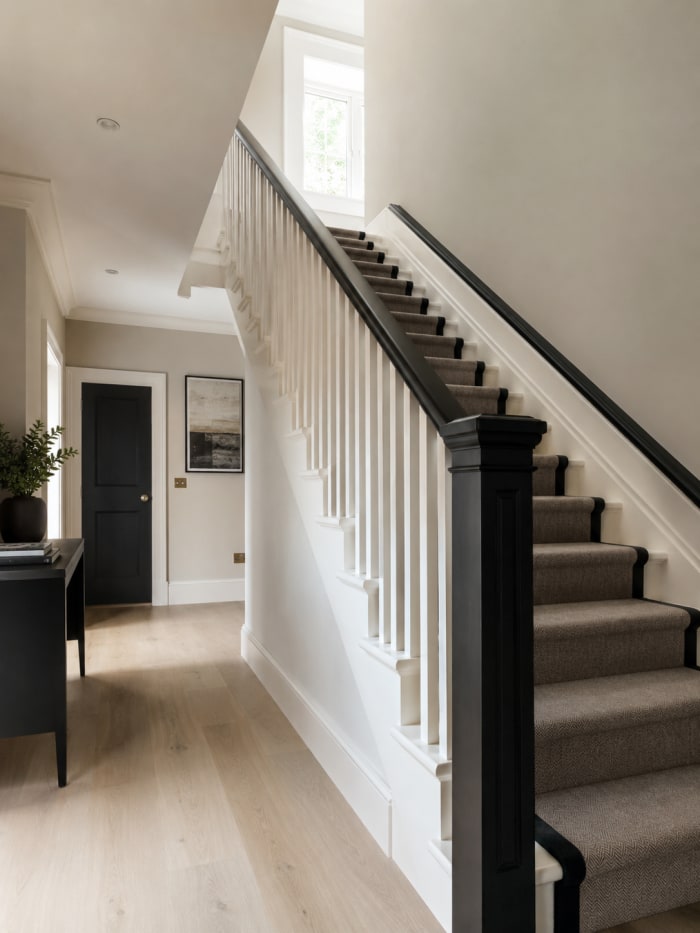
For doors, cabinetry, fitted furniture, panelling and larger surfaces where the specification calls for an even, flawless coat across the full area.
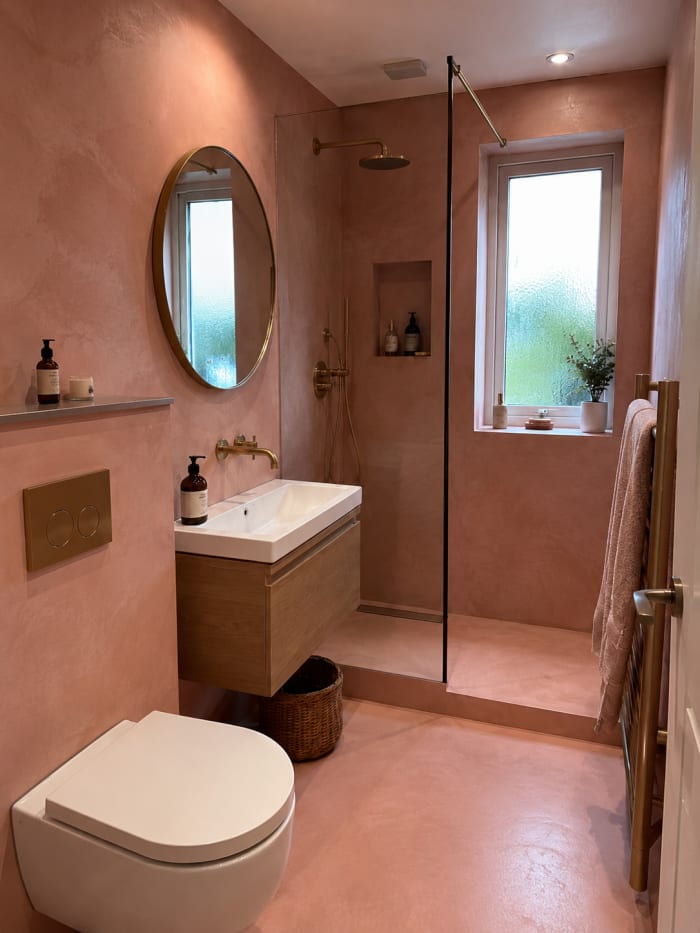
For bathrooms, utility areas, feature walls and seamless surfaces where an architectural, hard-wearing finish is the requirement rather than a conventional painted surface.
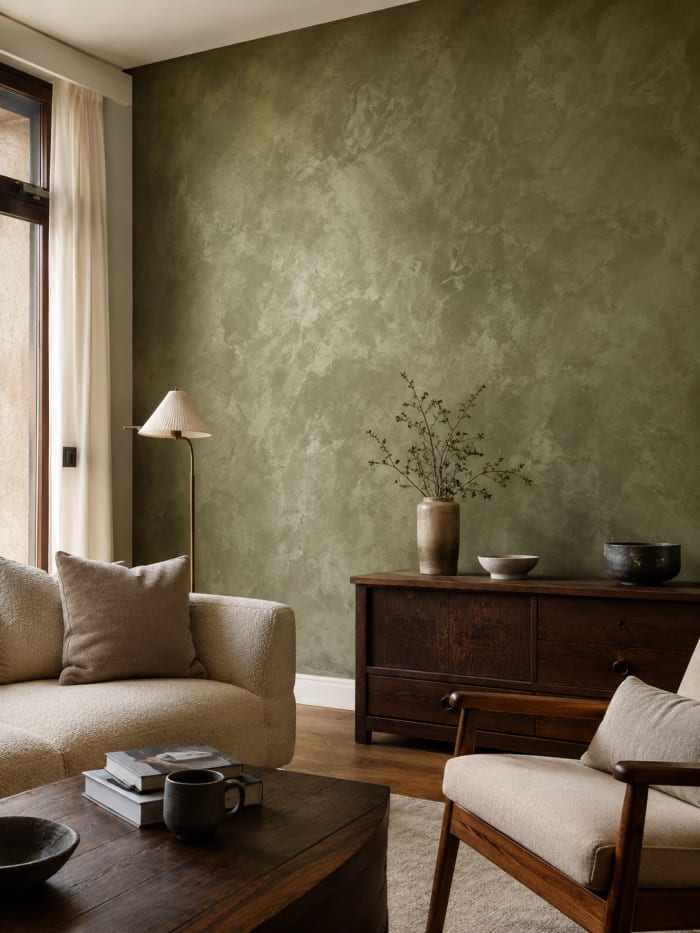
For walls that need depth, movement and a softer visual quality than flat paint. Traditional limewash and modern effects applied to both contemporary and period interiors.
Standard wall, ceiling, woodwork and exterior systems are selected and applied correctly for every project. They do not need to be listed here — they are the baseline, not a feature.
Featured residential work.
View all projects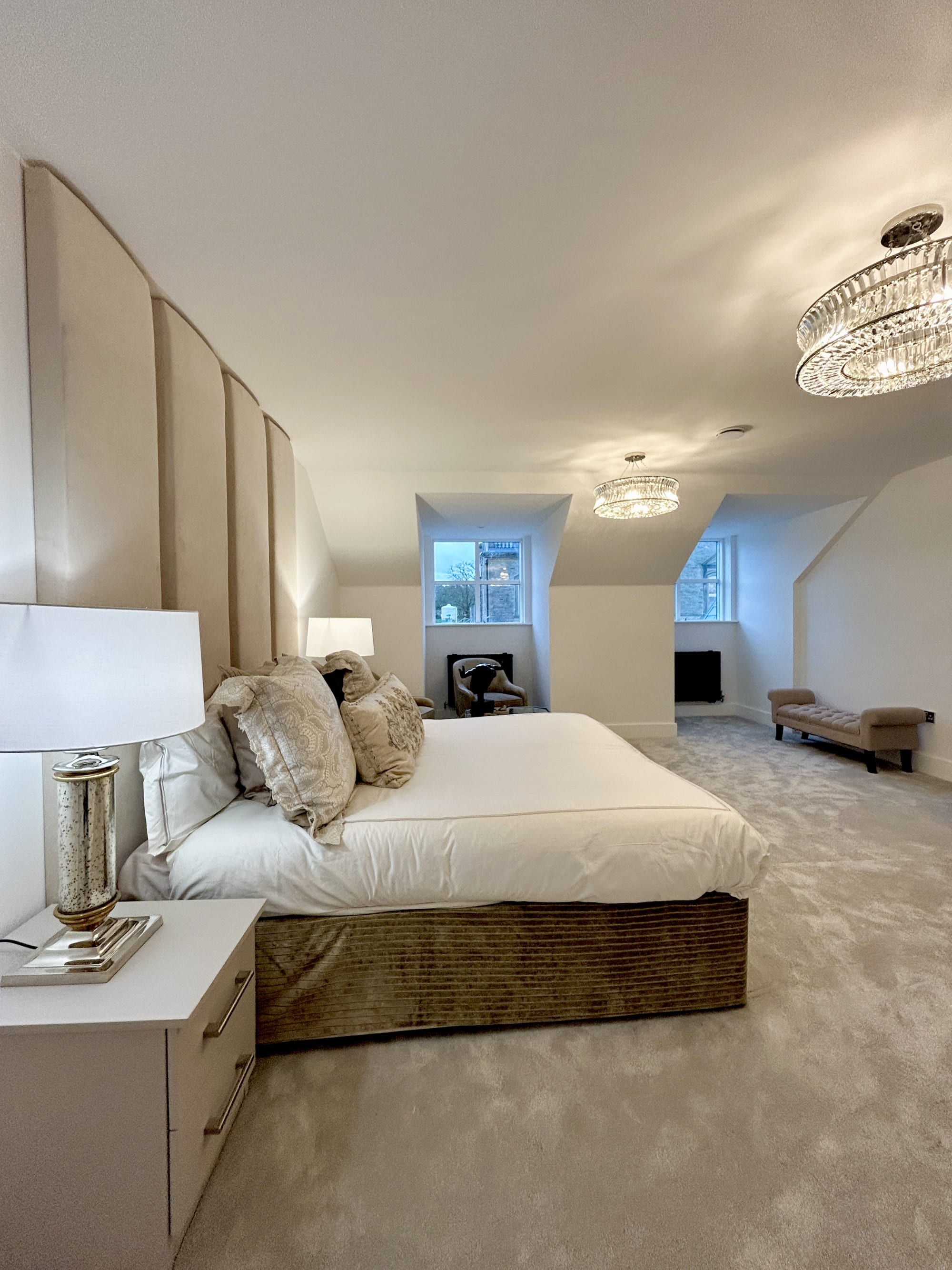
All surfaces prepared and redecorated throughout. Consistent finish carried from the ground floor through to the upper level. Work sequenced to keep the property controlled during the project.

Quick answers before you enquire.
Still unsure? Send us a messageYes. Single rooms, selected areas and full properties can all be quoted, depending on the scope and current workload.
Yes, where practical. Furniture can usually be moved to the centre of the room and protected, although this depends on access, room size and the work involved.
Materials can be supplied where needed. If you already have paint, it can be reviewed before work starts to make sure it suits the surface and finish required.
Yes. Doors, frames, skirting, architraves and other woodwork can be included as part of the quote when required.
It depends on the size of the project and current workload. The best time to enquire is once you have a rough timescale, even if the start date is still several weeks away.
Tell us what you are planning.
Send a message on WhatsApp and we will come back with a clear next step — no sales calls, no vague estimates.
We cover Cheshire, Manchester, Liverpool, Warrington and the wider North West. We respond within one working day.